Black History Month
11 Black Innovators who Shaped the Future of Healthcare
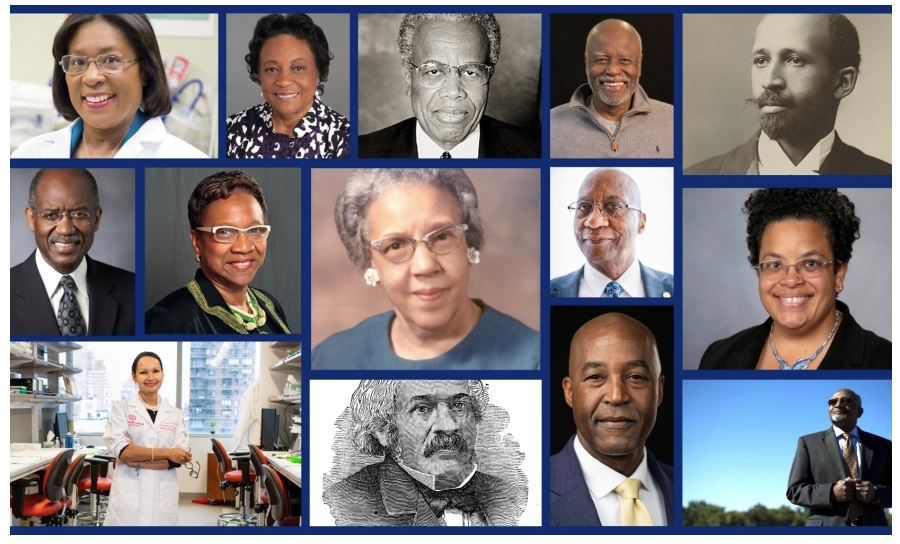
Pioneering treatment for congenital heart conditions. A procedure to remove cataracts. Revolutionary preservation of blood plasma. These are just a few ways Black medical innovators have advanced healthcare.
As we commemorate Black History Month this February, we invite you to join us in recognizing and celebrating African Americans across the nation who have left an indelible mark on our country's history by overcoming adversity and barriers to shape future generations.
Featured Video
Black History Month: Healthcare Innovators
Watch the video introduction before exploring the stories below.
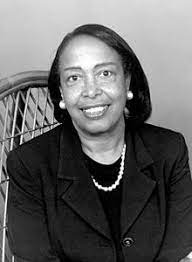
Dr. Patricia Bath
Groundbreaking Ophthalmologist
Dr. Bath was a groundbreaking ophthalmologist, innovative research scientist and advocate for blindness prevention, treatment and cures. She invented the laserphaco probe, a device and technique to remove cataracts. Dr. Bath founded the non-profit American Institute for the Prevention of Blindness, and as the first Black female physician to receive a medical patent, her legacy continues through "community ophthalmology," which addresses threatening eye conditions in historically underserved communities.
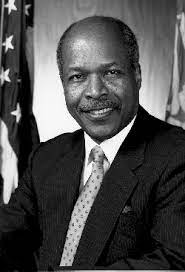
Otis Boykin
Improved the Pacemaker
The pacemaker is a life-saving device that detects when your heartbeat is irregular or too slow. Otis Boykin (born 1920) was an engineer and prolific inventor. One of his most notable inventions was a control unit that improved the pacemaker. Across his career, Mr. Boykin patented 26 devices.
Dr. Kizzmekia S. Corbett-Helaire, PhD
Leading Scientist in Moderna COVID-19 Vaccine Development
Dr. Corbett-Helaire, an assistant professor of immunology and infectious diseases at Harvard University, played an instrumental role in the development of the Moderna COVID-19 vaccine. Her NIH team helped develop mRNA-1273, later used by Moderna, Inc. In its Phase 3 clinical trial, the vaccine was shown to be 94.1% effective and approved for use against COVID-19 in multiple countries.
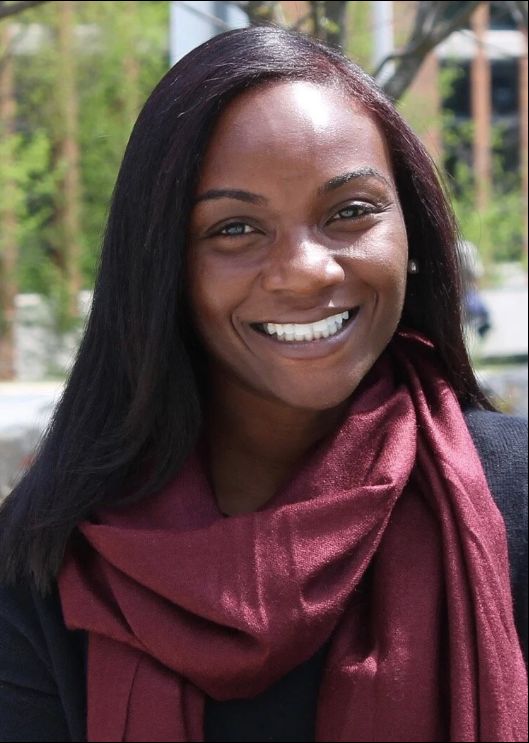
Dr. Charles Drew
"Father of the Blood Bank"
Dr. Drew was a prominent physician, surgeon and medical researcher who revolutionized blood transfusion by developing techniques for the long-term preservation of blood plasma. His work laid the foundation for large-scale blood banks, saving countless lives during World War II and beyond.
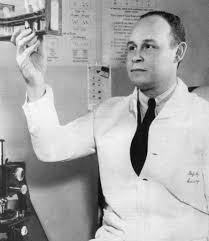
Dr. Joycelyn Elders
First African American Surgeon General
Dr. Elders, a pediatrician, served as the 15th Surgeon General of the United States. She was the first African American and only the second woman to head the U.S. Public Health Service. She focused on public health issues including comprehensive sex education, reproductive health and the treatment of substance use disorder.
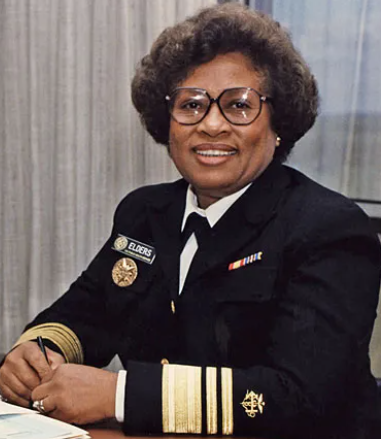
Dr. Daniel Hale Williams, MD
Open-Heart Surgery Pioneer
Dr. Daniel Hale Williams was among the first physicians to perform successful open-heart surgery, helping pave the way for future surgeons. In 1891, he founded Provident Hospital in Chicago—recognized as the first Black-owned hospital and first non-segregated hospital in the U.S. He was also the first Black member of the American College of Surgeons.
Dr. Percy Julian
Pioneering Chemist
Dr. Julian made major contributions to the synthesis of medicinal compounds. His work supported the development of affordable, mass-produced synthetic cortisone, a key component in treating arthritis and other inflammatory conditions. His innovations made treatments accessible to millions.
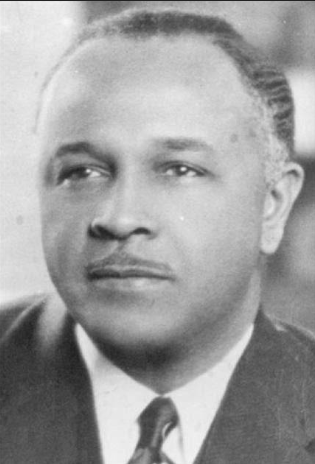
Dr. Rebecca Lee Crumpler
First African American Woman to Earn a Medical Degree
Dr. Crumpler became the first African American woman to obtain a medical degree in the U.S. (graduated 1864). She dedicated her work to providing healthcare to women and children, paving the way for future generations of Black women in medicine.
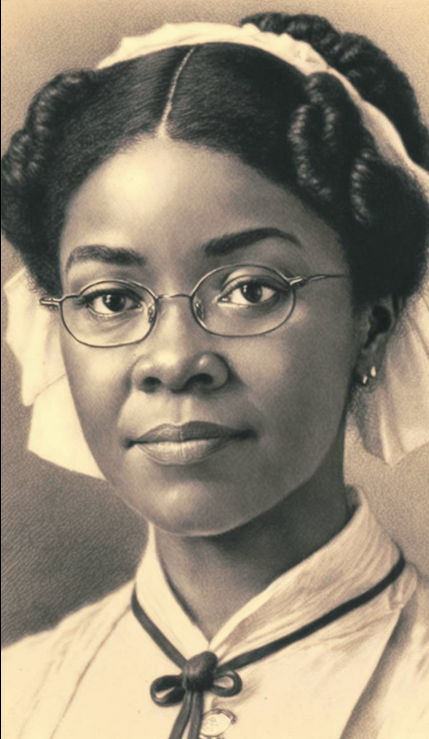
James McCune Smith, MD
Paved the Way for Future Black Physicians
In 1837, Dr. Smith earned his medical degree from the University of Glasgow in Scotland. After returning to New York, he became the first Black man to practice medicine with a medical degree in the United States. He also used his training to refute misconceptions about race in healthcare.
Vivien Thomas, LL.D.
Heart Surgery Pioneer
Vivien Thomas was a highly skilled surgical technician and researcher who developed tools and techniques that helped lead to modern heart surgery. Working alongside Dr. Alfred Blalock, Thomas helped pioneer procedures to treat congenital heart conditions. Despite racial and educational barriers, his contributions transformed cardiovascular care.
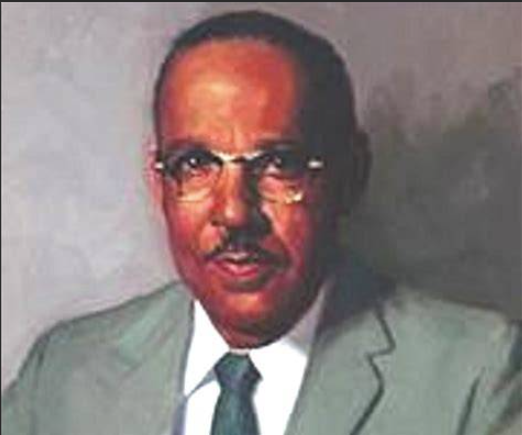
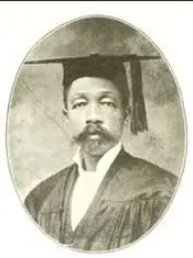
Dr. Miles V. Lynk, MD
Co-Founded the First Professional Organization for Black Physicians
Dr. Lynk established and served as publisher/editor of the first Black medical journal, The Medical and Surgical Observer, in December 1892. In 1895, he played a primary role in creating the National Medical Association, now the nation's oldest and largest organization representing African American physicians and healthcare professionals in the U.S.